Pet Dental Care in Nampa, ID

A healthy mouth helps your pet eat, play, and enjoy everyday life comfortably. Routine dental care can help prevent plaque and tartar buildup, identify painful problems, and support your companion’s long-term oral health. For pet owners in Nampa, ID, regular veterinary dental exams and consistent home care are important parts of a preventive care routine.

Why Your Pet’s Dental Health Matters

Dental disease can develop gradually, and pets do not always show obvious signs of discomfort. Plaque along the gumline can contribute to inflammation and periodontal disease, which affects the tissues supporting the teeth. Without treatment, these problems can lead to pain, infection, and tooth loss.

Veterinary dental evaluations help identify concerns that may be difficult to spot at home. Addressing problems early may also help prevent more extensive treatment later.

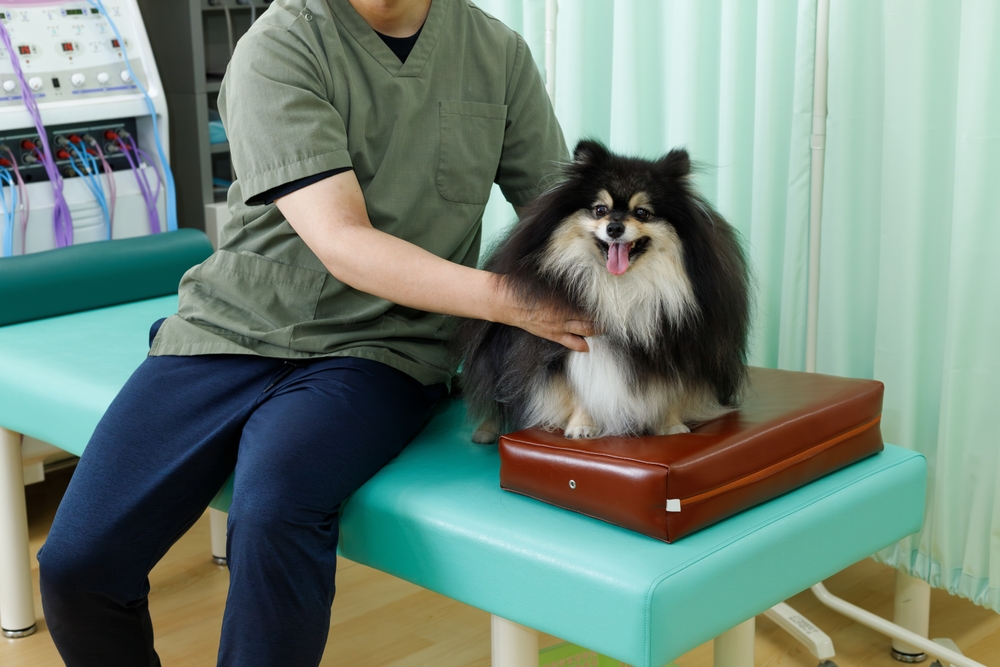
Veterinarian at Animal Health Hospital gently holding a small dog on an exam table
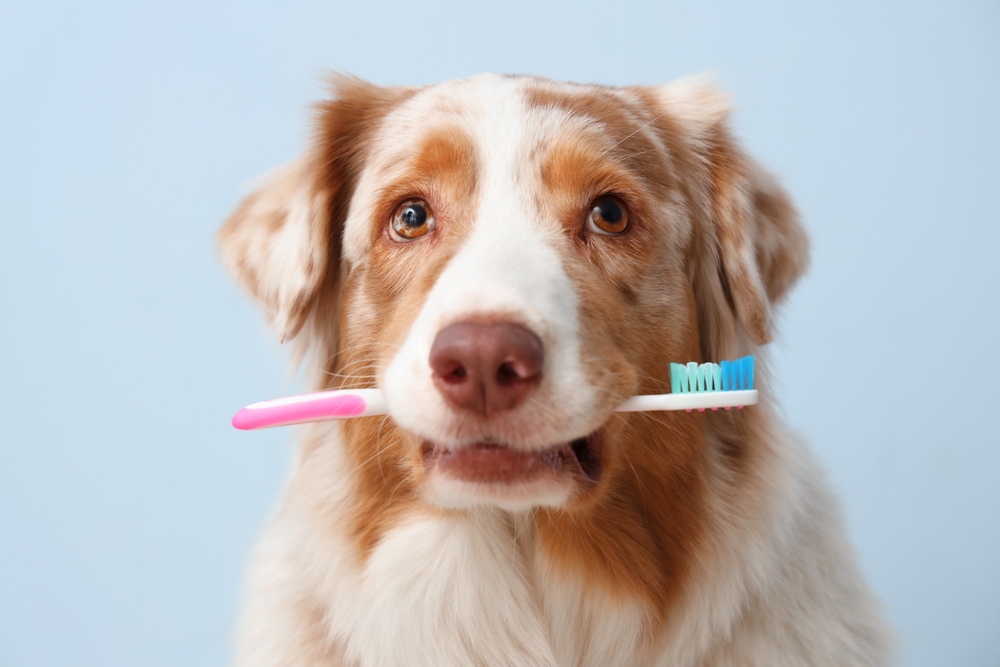
Animal Health Hospital dog having teeth brushed

Signs Your Pet May Need Dental Care

Bad breath is common, but persistent odor should not be dismissed as normal. Schedule a veterinary evaluation if you notice any of the following:

  • Persistent bad breath
  • Yellow or brown buildup on the teeth
  • Red, swollen, or bleeding gums
  • Drooling more than usual or pawing at the mouth
  • Difficulty chewing, dropping food, or favoring one side
  • Loose, broken, or discolored teeth
  • Changes in appetite or reluctance to chew toys

Even pets that continue eating may have dental pain. Routine exams remain important when there are no noticeable symptoms.

What Veterinary Dental Care May Include

Dental Exams and Treatment Recommendations

A dental evaluation begins with checking your pet’s teeth, gums, and mouth. Your veterinarian can discuss visible concerns, review home-care habits, and recommend next steps based on your pet’s age, health, and dental condition.

Professional Dental Cleaning

When recommended, professional dental cleaning removes plaque and tartar from above and below the gumline. A comprehensive veterinary dental cleaning requires general anesthesia to allow thorough treatment and protect your pet’s airway. Your veterinarian will discuss pre-anesthetic evaluation and a plan appropriate for your pet.

Evaluation of Hidden Dental Problems

Not every dental problem is visible during an awake exam. Dental X-rays may be recommended to evaluate tooth roots and supporting bone. If damaged or diseased teeth are identified, your veterinarian can explain treatment options and aftercare needs.

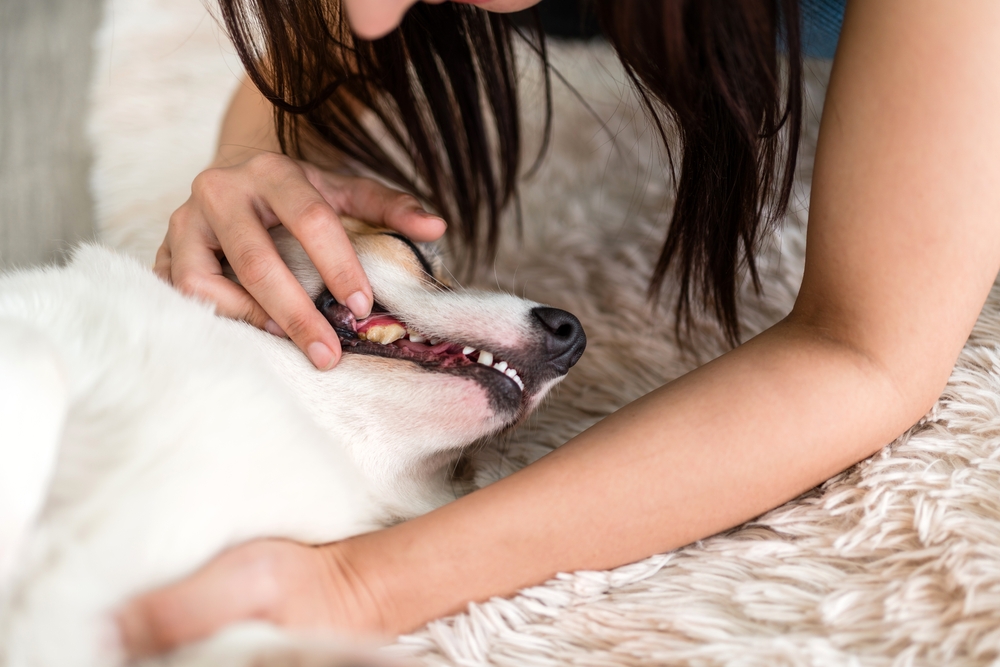
Veterinarian petting and examining a dog at Animal Health Hospital

Supporting Healthy Teeth at Home

Home care complements professional treatment. Brushing with a pet-specific toothbrush and toothpaste is one of the most effective ways to control plaque. Introduce brushing gradually, avoid human toothpaste, and ask your veterinarian about appropriate dental products and chews. Very hard items can damage teeth.

Call icon

Plan Your Pet’s Dental Care in Nampa

Whether you have noticed a change in your pet’s breath or want guidance on preventive care, a dental exam is a helpful place to start. Discuss your pet’s oral health and take the next step toward a more comfortable, healthier mouth.